








BPM Detector — Find The Tempo Of Any Song In Your Browser
Fast, private, accurate BPM Detector. Drop any audio file and get a tempo estimate in seconds, with confidence scoring and half/double-time suggestions. Runs 100% locally in your browser.
Drop an audio file here or click to browse
MP3, WAV, FLAC, OGG, M4A, WebM
Key features
Discover what makes this tool powerful — and private.
Autocorrelation-Based Tempo Estimation
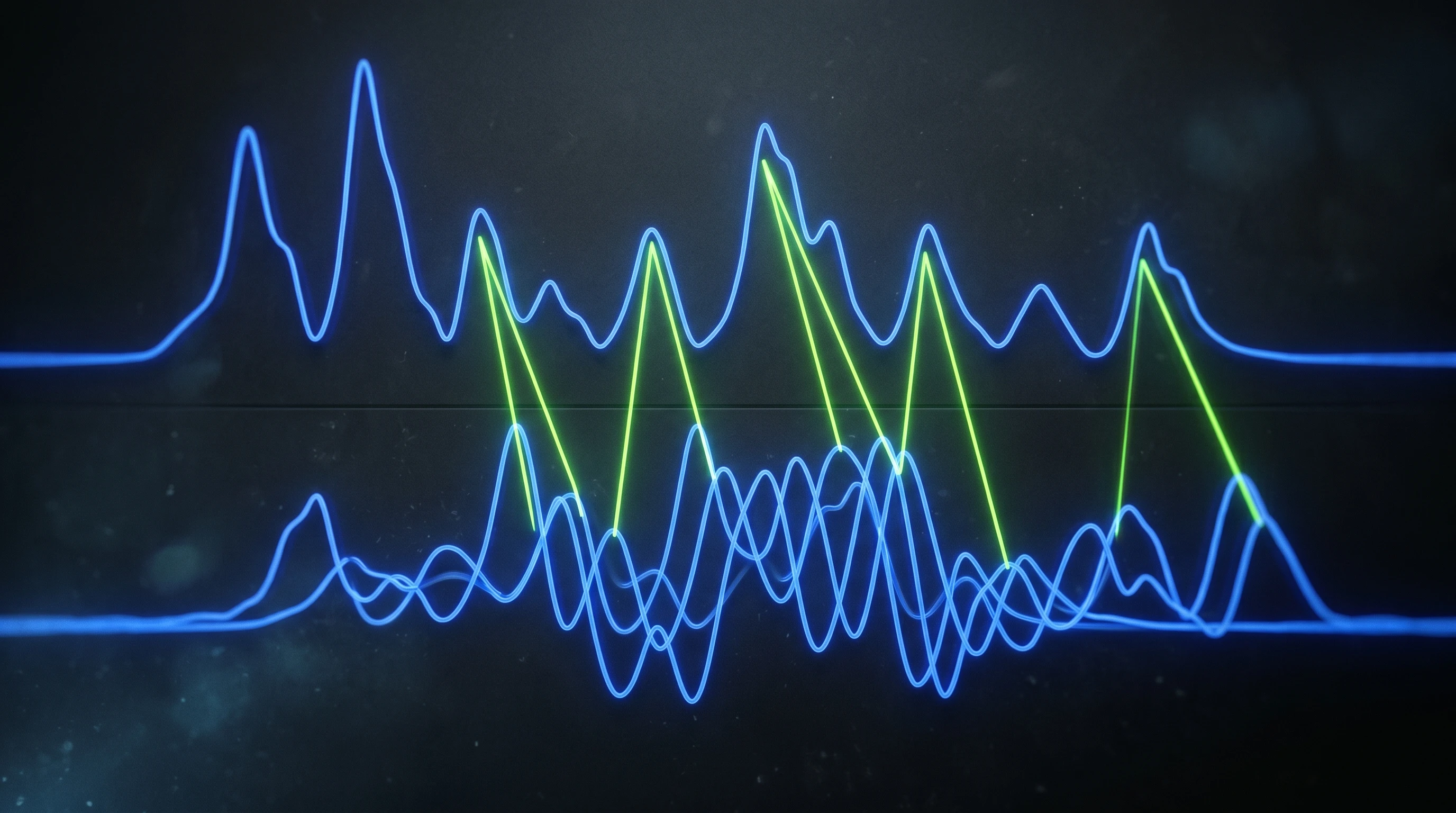
We compute a spectral-flux-style onset envelope, then run an autocorrelation over it and search for the strongest periodic peak in the 50–220 BPM range. It's the same core idea most production BPM-detection libraries use.
Half-Time And Double-Time Suggestions
Whenever a track genuinely sits at 70 BPM but feels like 140 (or vice versa), the BPM Detector also shows the half / double-time options so you can pick the one that matches your musical intuition.
Works With Full Tracks And Stems
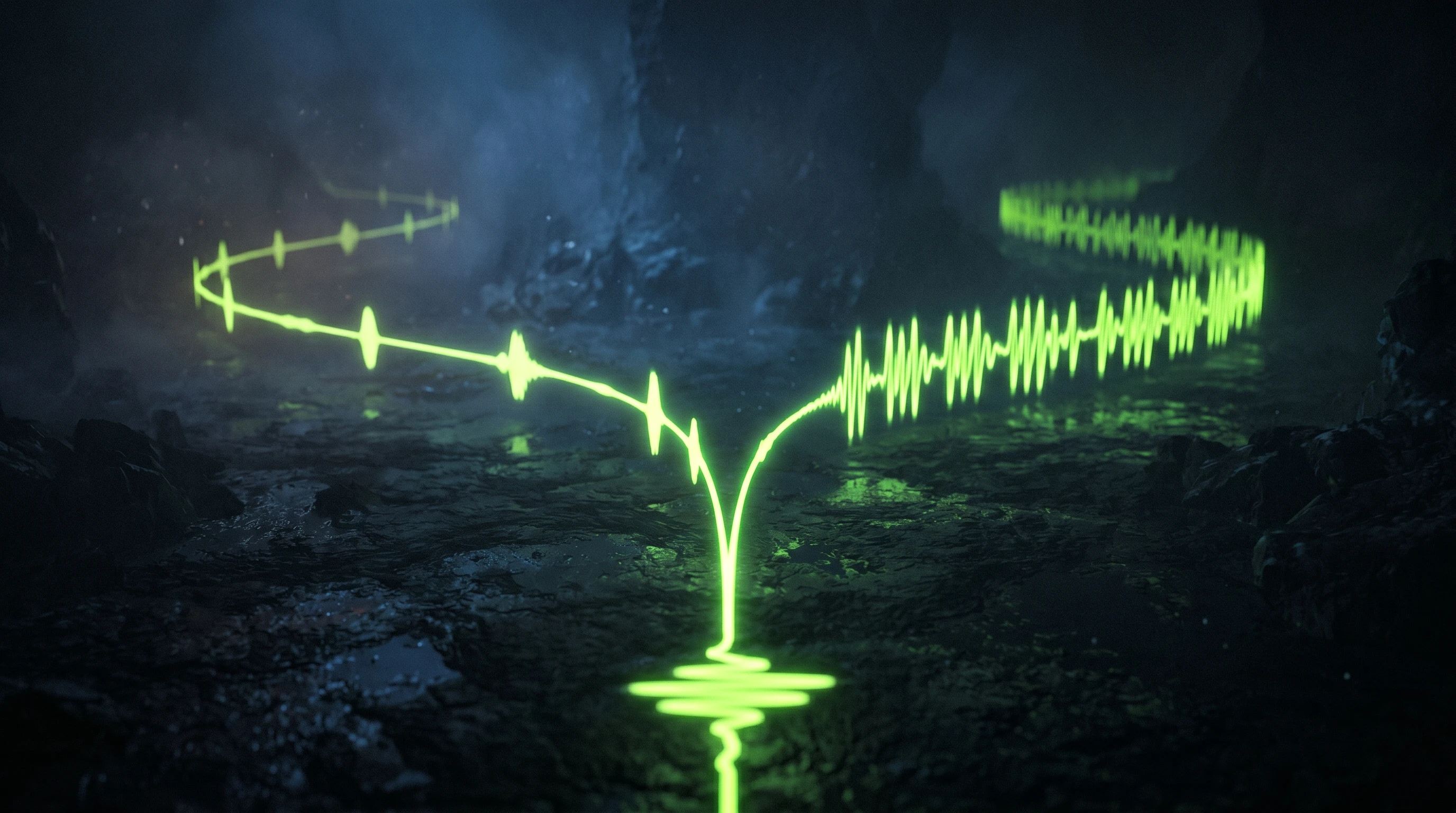
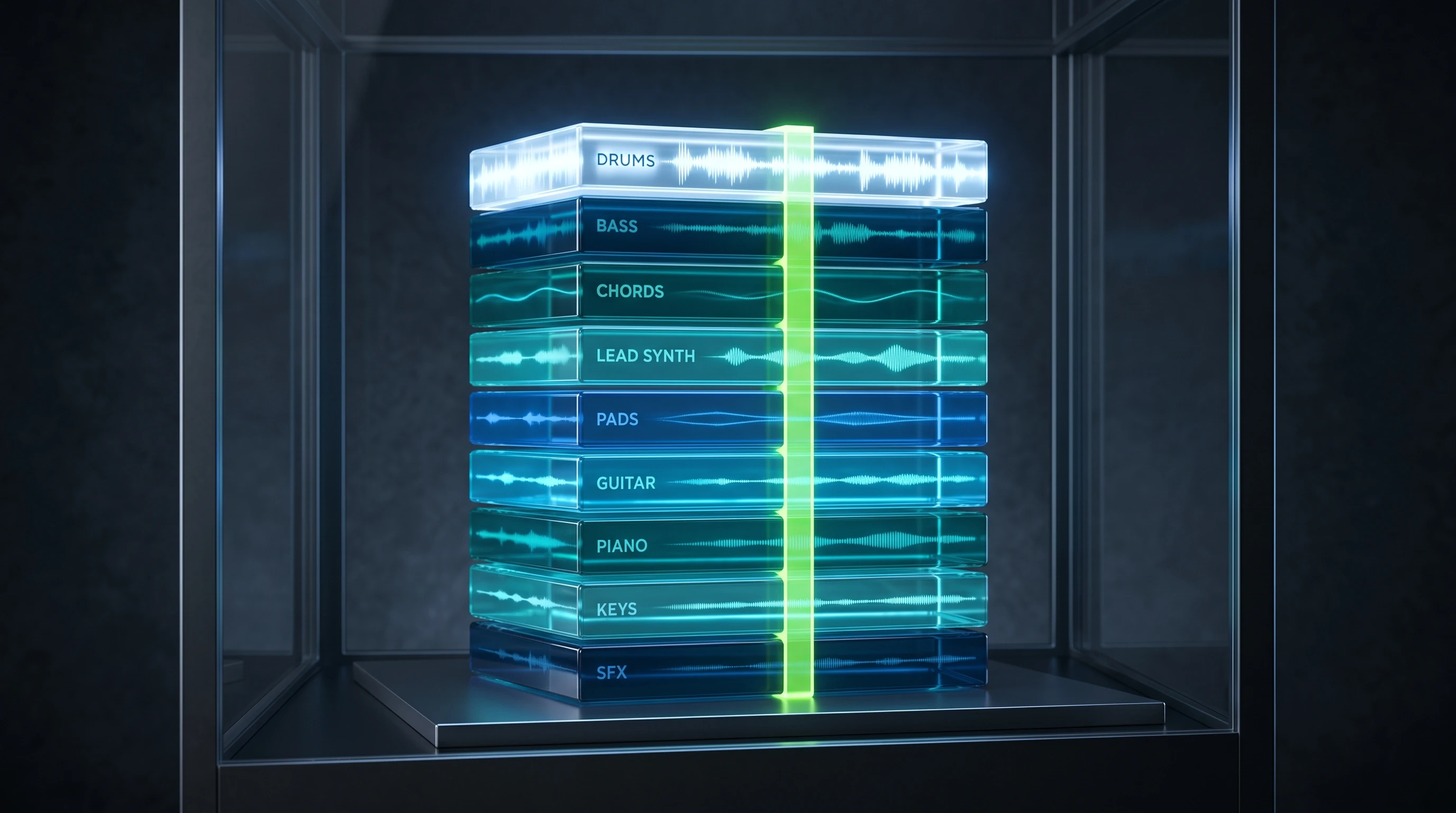
Full mixes, isolated drum stems, bass stems, loops, live recordings — the detector is format-agnostic. Upload whichever part of the track has the clearest rhythmic pulse for the best result.
Perfect For DJ Library Cleanup
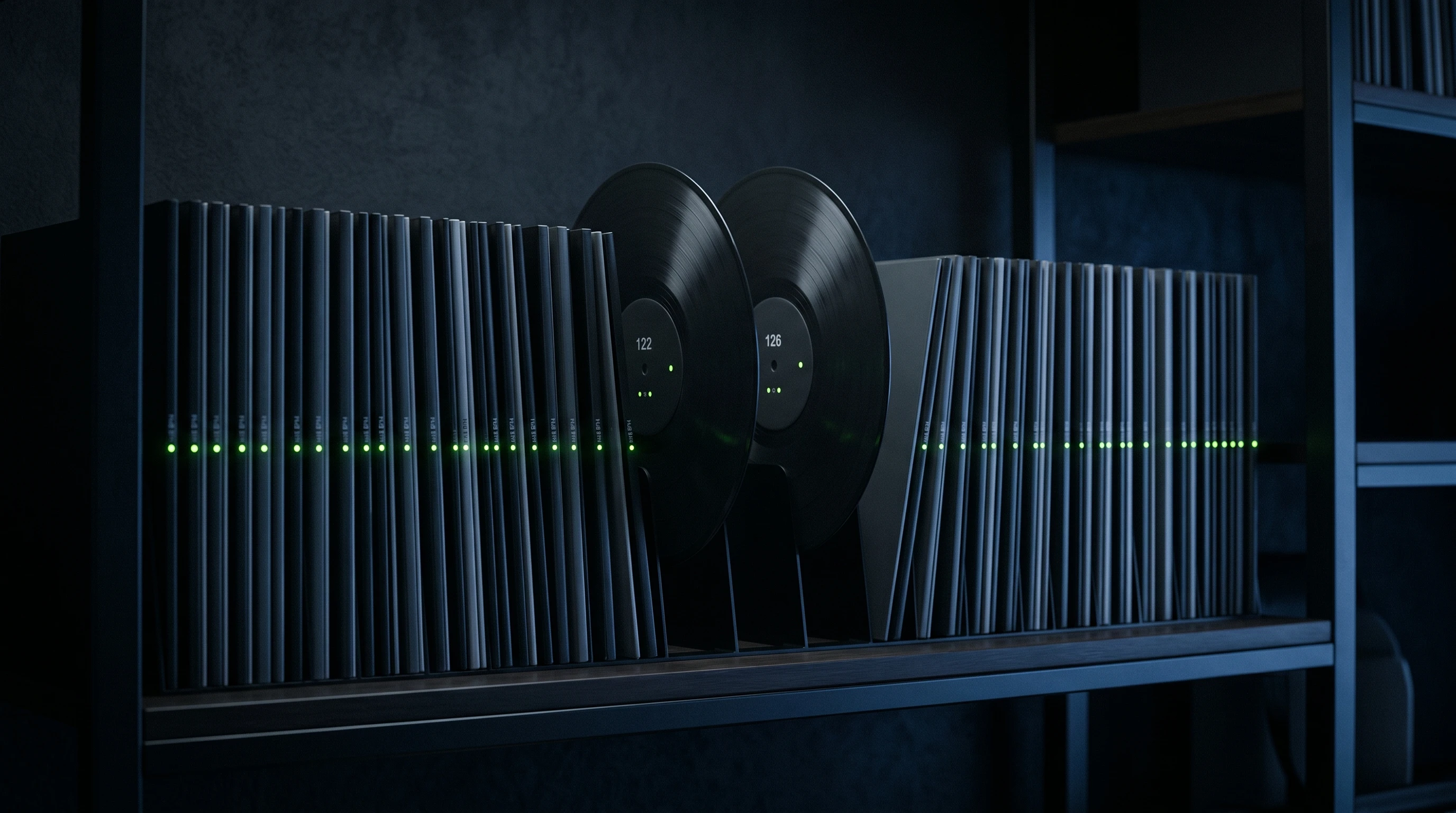
Run a batch of loose files through the BPM Detector and paste the results into your DJ software's tag editor — much faster than waiting for your DJ app to analyse each file one by one.
Frequently asked questions
Everything you need to know about this tool.
On modern, drum-driven music the reported BPM is typically within 1 BPM of the producer's intent. Rubato, classical, or extremely sparse tracks are harder — the confidence score tells you how periodic the underlying rhythm is.
Autocorrelation locks onto the strongest periodicity, which for drum-heavy music is often the snare on 2 and 4 (double-time) or a half-bar pattern (half-time). We surface both alternatives alongside the primary estimate.
No. Everything runs in your browser via the Web Audio API. No server contact, no account.
Drop them in one at a time — the detector is fast enough that you can usually process a track every few seconds. A dedicated batch mode is on the roadmap.
Any format your browser can decode — MP3, WAV, FLAC, OGG Vorbis / Opus, M4A / AAC, WebM.
Explore every music tool
Every tool here runs 100% in your browser.